

Power grid fluctuations are an inevitable aspect of the modern electrical infrastructure. For industries, these fluctuations can pose significant challenges, especially when it comes to maintaining a stable power supply. As a supplier of Industrial UPS (Uninterruptible Power Supply) power backup solutions, I have witnessed firsthand the impact of power grid fluctuations on industrial operations and the crucial role that UPS systems play in mitigating these issues.
Understanding Power Grid Fluctuations
Power grid fluctuations can take various forms, including voltage sags, surges, interruptions, and frequency variations. These fluctuations can be caused by a multitude of factors, such as lightning strikes, equipment failures, overloading, and natural disasters. In industrial settings, even minor power grid fluctuations can have severe consequences, leading to equipment damage, production downtime, and data loss.
Voltage sags, also known as voltage dips, are brief reductions in voltage that can last from a few milliseconds to several seconds. These sags can be caused by sudden increases in load, such as when large motors start up, or by faults in the power grid. Voltage sags can cause sensitive equipment to malfunction, leading to production disruptions and potentially damaging electronic components.
On the other hand, voltage surges are sudden increases in voltage that can occur due to lightning strikes, switching operations, or power grid faults. Surges can cause significant damage to electrical equipment, including motors, transformers, and electronic devices. In some cases, surges can even lead to fires or explosions, posing a serious safety risk to personnel and property.
Power interruptions, whether short-term or long-term, can have a devastating impact on industrial operations. Even a brief interruption can cause production lines to stop, resulting in lost productivity and revenue. In addition, power interruptions can lead to data loss and corruption, which can be costly to recover.
Frequency variations, which occur when the frequency of the power grid deviates from its normal value, can also affect the performance of industrial equipment. Many industrial processes rely on a stable frequency to operate efficiently, and even small frequency variations can cause equipment to malfunction or operate at reduced capacity.
The Role of Industrial UPS Power Backup
Industrial UPS power backup systems are designed to provide a reliable source of power during power grid fluctuations and outages. These systems typically consist of a battery bank, an inverter, and a charger, which work together to ensure a continuous supply of clean, stable power to critical equipment.
One of the primary functions of an industrial UPS is to protect equipment from voltage sags and surges. When a voltage sag or surge occurs, the UPS immediately detects the change and switches to battery power, providing a stable voltage to the connected equipment. This helps to prevent damage to sensitive electronic components and ensures that the equipment continues to operate normally.
In addition to protecting against voltage fluctuations, industrial UPS systems also provide backup power during power outages. When the power grid fails, the UPS automatically switches to battery power, allowing critical equipment to continue operating until the power is restored or until a backup generator can be started. This helps to minimize production downtime and prevent data loss, ensuring that industrial operations can continue uninterrupted.
Another important feature of industrial UPS systems is their ability to provide a clean and stable power supply. Many industrial processes require a high-quality power supply to operate efficiently, and even small fluctuations in voltage or frequency can affect the performance of the equipment. Industrial UPS systems are designed to filter out electrical noise and provide a stable voltage and frequency, ensuring that the connected equipment receives a clean and reliable power supply.
Impact of Power Grid Fluctuations on Industrial UPS Power Backup
While industrial UPS power backup systems are designed to protect against power grid fluctuations, these fluctuations can still have an impact on the performance and reliability of the UPS. One of the main challenges is the increased stress on the battery bank. When the power grid experiences frequent fluctuations, the UPS may need to switch to battery power more often, which can cause the battery to discharge more frequently and shorten its lifespan.
In addition, power grid fluctuations can also affect the charging process of the battery bank. If the voltage or frequency of the power grid is unstable, the charger may not be able to charge the battery properly, leading to reduced battery capacity and performance. This can result in a shorter backup time and a higher risk of equipment failure during a power outage.
Another impact of power grid fluctuations on industrial UPS power backup is the increased wear and tear on the UPS components. Frequent switching between grid power and battery power can cause the inverter and other components to overheat, leading to premature failure. In addition, the constant stress on the components can also increase the risk of electrical faults and malfunctions.
Mitigating the Impact of Power Grid Fluctuations
To mitigate the impact of power grid fluctuations on industrial UPS power backup, it is important to choose a high-quality UPS system that is designed to withstand these challenges. When selecting a UPS, it is important to consider factors such as the capacity, runtime, and reliability of the system, as well as its ability to protect against voltage sags, surges, and other power grid fluctuations.
In addition to choosing the right UPS system, it is also important to implement proper maintenance and monitoring procedures. Regular maintenance of the UPS system, including battery testing and replacement, can help to ensure that the system is operating at peak performance and can provide reliable backup power when needed. Monitoring the performance of the UPS system can also help to detect any potential issues early on, allowing for timely repairs and replacements.
Another way to mitigate the impact of power grid fluctuations is to implement a redundant power supply system. This involves having multiple UPS systems or backup generators connected to the critical equipment, providing an additional layer of protection in case of a power outage or other power grid issues. Redundant power supply systems can help to ensure that the critical equipment remains operational even in the event of a major power grid failure.
Conclusion
Power grid fluctuations can have a significant impact on industrial operations, but with the right UPS power backup system, these challenges can be effectively managed. As a supplier of Industrial UPS power backup solutions, I understand the importance of providing reliable and high-quality products that can protect against power grid fluctuations and ensure the continuous operation of critical equipment.
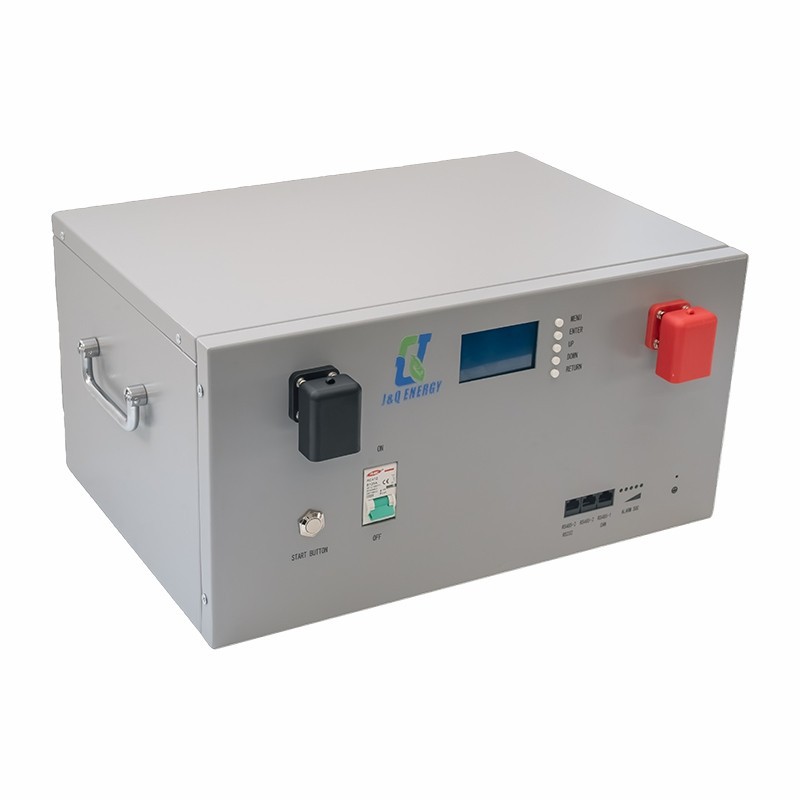

If you are looking for a reliable Industrial UPS power backup solution, I encourage you to explore our range of products, including 24 Volt Ups Power Supply, Ups Universal Power Supply, and Compact Ups Battery Backup. Our team of experts is available to help you choose the right UPS system for your specific needs and provide ongoing support and maintenance to ensure the reliable operation of your system.
Contact us today to learn more about our Industrial UPS power backup solutions and how we can help you protect your industrial operations from the impact of power grid fluctuations.
References
- "Power Quality Issues and Solutions in Industrial Applications." IEEE Transactions on Industry Applications.
- "Uninterruptible Power Supplies: Design, Application, and Maintenance." McGraw-Hill Professional.
- "Understanding Power Grid Fluctuations and Their Impact on Industrial Equipment." Electrical Engineering Journal.