

Hey there! As a supplier of Industrial Ups Power Backup, I often get asked about the self - discharge rate of the batteries in these systems. So, let's dive right into it and break down what the self - discharge rate is and why it matters in industrial UPS power backup.
First off, what exactly is self - discharge? Well, self - discharge is the process where a battery loses its charge over time even when it's not being used. Every battery has this characteristic, and it's a natural phenomenon. In the context of industrial UPS power backup, the self - discharge rate is super important because these systems are designed to be on standby, ready to kick in when there's a power outage. If the batteries self - discharge too quickly, they might not have enough charge when they're needed most.
The self - discharge rate is usually expressed as a percentage of the battery's capacity per unit of time. For example, if a battery has a self - discharge rate of 5% per month, it means that every month, the battery will lose 5% of its charge even if it's just sitting there doing nothing.
Now, different types of batteries have different self - discharge rates. Lead - acid batteries, which are commonly used in industrial UPS systems, typically have a relatively high self - discharge rate. They can lose around 3 - 5% of their charge per month. This is because lead - acid batteries are more chemically reactive, and the chemical reactions inside the battery continue to occur even when the battery is not in use.
On the other hand, lithium - ion batteries have a much lower self - discharge rate. They usually lose only about 1 - 2% of their charge per month. This makes lithium - ion batteries a great option for industrial UPS power backup, especially in applications where long - term standby is required.
So, why does the self - discharge rate matter in industrial UPS power backup? Well, for starters, it affects the maintenance requirements. If a battery has a high self - discharge rate, it needs to be recharged more frequently to keep it at an optimal charge level. This means more maintenance work and potentially higher costs.
Also, the self - discharge rate can impact the reliability of the UPS system. If the batteries self - discharge too quickly, they might not be able to provide enough power during a power outage. This could lead to system failures and downtime, which is a big no - no in industrial settings.

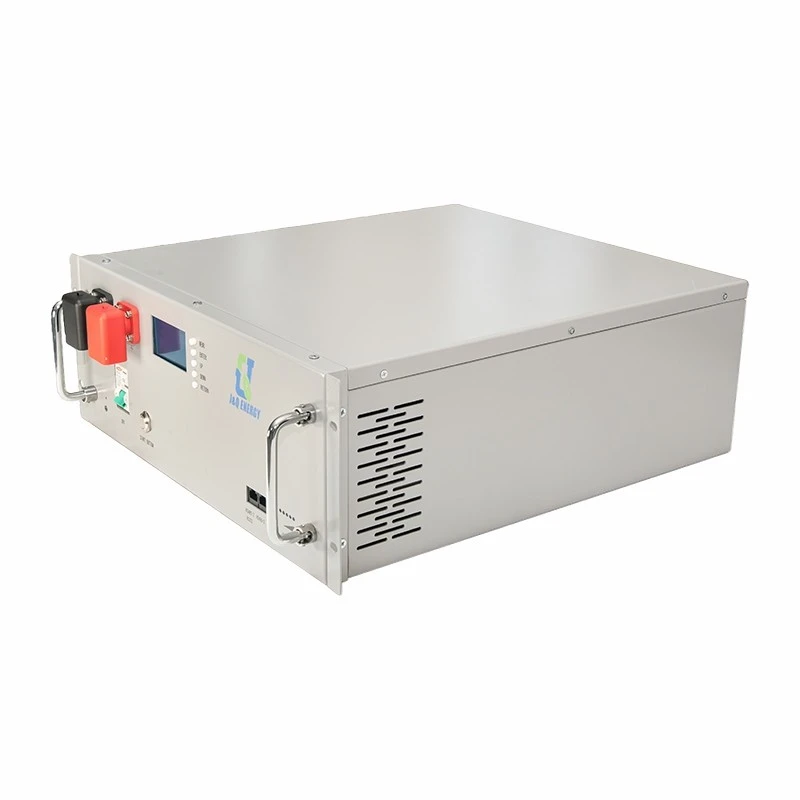
Let's talk about how we can manage the self - discharge rate in industrial UPS power backup. One way is to choose the right type of battery. As I mentioned earlier, lithium - ion batteries have a lower self - discharge rate, so they're a better choice if you're looking for a long - term, low - maintenance solution.
Another way is to use a battery management system (BMS). A BMS can monitor the battery's state of charge and automatically recharge the battery when it reaches a certain level. This helps to keep the battery at an optimal charge level and reduces the impact of self - discharge.
Now, if you're in the market for an industrial UPS power backup system, you might be interested in our Industrial Ups Power Backup. We also offer Ups Universal Power Supply and Residential Ups Power Supply for different needs.
When it comes to choosing the right UPS system, it's important to consider the self - discharge rate of the batteries. You want a system that can provide reliable power when you need it, without requiring too much maintenance.
If you have any questions about our products or the self - discharge rate of the batteries in our industrial UPS power backup systems, don't hesitate to reach out. We're here to help you make the best decision for your business. Whether you're a small business looking for a reliable backup power solution or a large industrial facility in need of a high - capacity UPS system, we've got you covered.
In conclusion, understanding the self - discharge rate of the batteries in industrial UPS power backup is crucial for ensuring the reliability and efficiency of your backup power system. By choosing the right type of battery and implementing a proper battery management system, you can minimize the impact of self - discharge and keep your UPS system running smoothly.
If you're interested in learning more about our products or have any specific requirements, feel free to get in touch with us. We're always happy to have a chat and discuss how we can meet your needs. Let's work together to find the perfect industrial UPS power backup solution for you.
References:
- Battery Technology Handbook
- Industrial Power Backup Systems: A Comprehensive Guide