

A home solar storage system is an innovative solution that combines solar panels with energy storage capabilities. It allows households to capture and store solar energy during the day and use it at night or during power outages. As a supplier of home solar storage systems, I often receive inquiries from customers in mountainous regions. They wonder whether these systems can be effectively used in such areas. In this blog, I will delve into the feasibility of using home solar storage systems in mountainous regions, exploring the challenges, benefits, and considerations.
Challenges in Mountainous Regions
Geographical and Topographical Constraints
Mountainous areas are characterized by uneven terrain, which can pose significant challenges for the installation of solar panels. The irregular slopes may require specialized mounting systems to ensure the panels are properly angled towards the sun. Additionally, the presence of tall trees, mountains, and other natural obstructions can cast shadows on the solar panels, reducing their efficiency. For instance, in a valley surrounded by high mountains, the solar panels may receive limited sunlight for a significant part of the day.
Harsh Weather Conditions
Mountainous regions often experience harsh weather conditions, including heavy snowfall, strong winds, and extreme temperature fluctuations. These conditions can damage solar panels and storage batteries. Snow accumulation on the panels can block sunlight and add extra weight, potentially causing structural damage. Strong winds can also dislodge or damage the panels, while extreme cold can reduce the performance of the storage batteries. For example, lithium - ion batteries, which are commonly used in home solar storage systems, may experience a decrease in capacity at low temperatures.
Lack of Infrastructure
In many mountainous areas, there may be a lack of proper electrical infrastructure. This can make it difficult to connect the home solar storage system to the grid or to transport and install the necessary equipment. Poor road conditions can also increase the cost and time of installation and maintenance. Moreover, the availability of skilled technicians to install and service the system may be limited.
Benefits of Using Home Solar Storage Systems in Mountainous Regions
Energy Independence
One of the primary advantages of a home solar storage system in mountainous regions is energy independence. These areas are often far from the main power grid, and power outages can be frequent. With a solar storage system, households can generate and store their own electricity, ensuring a continuous power supply. This is particularly important for essential services such as heating, lighting, and medical equipment. For example, in a remote mountain cabin, a solar storage system can provide reliable power even during long - term grid outages.
Reduced Energy Costs
Mountainous regions may have higher electricity costs due to the difficulty of grid extension and maintenance. By using a home solar storage system, households can reduce their reliance on grid - supplied electricity and lower their energy bills. Additionally, in some areas, there may be incentives such as government subsidies or tax credits for installing solar energy systems, further reducing the overall cost.

Environmental Sustainability
Solar energy is a clean and renewable source of power. By using a home solar storage system in mountainous regions, households can reduce their carbon footprint and contribute to environmental conservation. This is especially important in areas with sensitive ecosystems, where reducing fossil fuel consumption can help protect the natural environment.
Considerations for Using Home Solar Storage Systems in Mountainous Regions
Site Assessment
Before installing a home solar storage system in a mountainous area, a detailed site assessment is essential. This includes evaluating the solar potential of the location, taking into account factors such as sunlight exposure, shading, and terrain. A professional solar installer can use tools like satellite imagery and on - site measurements to determine the best location and orientation for the solar panels.
Selecting the Right Equipment
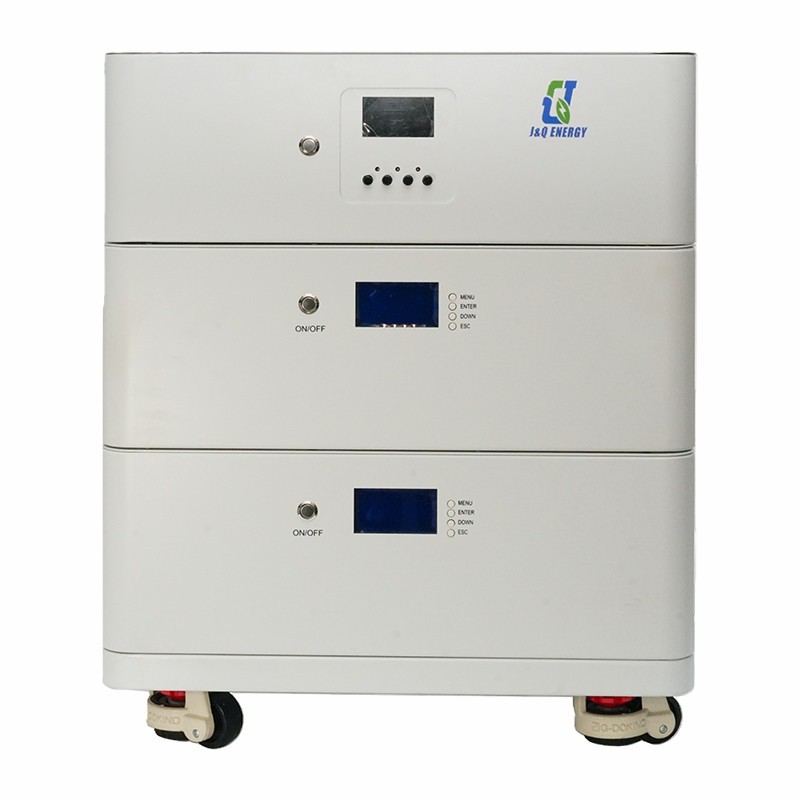
In mountainous regions, it is crucial to select equipment that can withstand the harsh environmental conditions. For solar panels, look for models with high durability and resistance to wind and snow loads. Regarding storage batteries, Solar Batteries for The Home with good temperature performance are recommended. For example, some advanced lithium - ion batteries are designed to operate efficiently in a wide range of temperatures. Storage Batteries for Home Use can provide more options for different household needs.
Maintenance and Monitoring
Regular maintenance is vital to ensure the long - term performance of the home solar storage system. In mountainous areas, it may be more challenging to access the system for maintenance. Therefore, it is advisable to choose a system with remote monitoring capabilities. This allows the homeowner and the installer to monitor the system's performance in real - time and detect any potential issues early.
Case Studies of Successful Implementations
There are several examples of successful home solar storage system installations in mountainous regions. In the Swiss Alps, many remote chalets have installed solar storage systems to meet their energy needs. These systems are designed to withstand heavy snowfall and cold temperatures. The homeowners have reported significant savings on their energy bills and increased energy independence.
In the Himalayas, some rural communities have also adopted home solar storage systems. These systems have provided reliable power for lighting, cooking, and charging electronic devices. The local residents have benefited from improved living standards and reduced reliance on traditional energy sources such as kerosene.
Conclusion
In conclusion, while there are challenges associated with using a home solar storage system in mountainous regions, the benefits far outweigh them. With proper site assessment, equipment selection, and maintenance, these systems can provide reliable, cost - effective, and sustainable energy solutions for households in mountainous areas. As a supplier of Residential Solar Plus Storage, I am confident that our products can meet the unique needs of customers in mountainous regions.
If you are interested in exploring the possibility of installing a home solar storage system in a mountainous area, I encourage you to contact us for more information. Our team of experts can provide you with a customized solution based on your specific requirements and location. We look forward to the opportunity to work with you and help you achieve energy independence and sustainability.
References
- "Solar Power in Mountainous Regions: Challenges and Opportunities" - Renewable Energy Journal
- "Home Solar Storage Systems: A Guide for Remote Areas" - Energy Storage Association