

Hey there! As a supplier of residential energy storage systems, I often get asked, "What's the energy conversion efficiency of these things?" Well, let's dive right in and break it down.
First off, energy conversion efficiency is a crucial factor when it comes to residential energy storage. It basically tells us how well a system can take in energy, store it, and then release it when we need it. Think of it like a piggy bank. If you put in a dollar, but you can only take out 80 cents later, that's not a very efficient piggy bank, right? The same goes for energy storage systems.
Most residential energy storage systems are connected to solar panels. During the day, the solar panels soak up sunlight and convert it into electricity. This electricity then needs to be stored in the battery for later use, like at night or on cloudy days. But here's the catch: the process of converting sunlight to electricity and then storing it in the battery isn't 100% efficient.
Let's talk about the different steps in this process and how they affect efficiency. When sunlight hits the solar panels, they use photovoltaic cells to turn that light into direct current (DC) electricity. The efficiency of solar panels can vary widely, but on average, modern panels have an efficiency of around 15 - 22%. That means that only 15 - 22% of the sunlight that hits the panels is actually converted into usable electricity. The rest is lost as heat or reflected away.
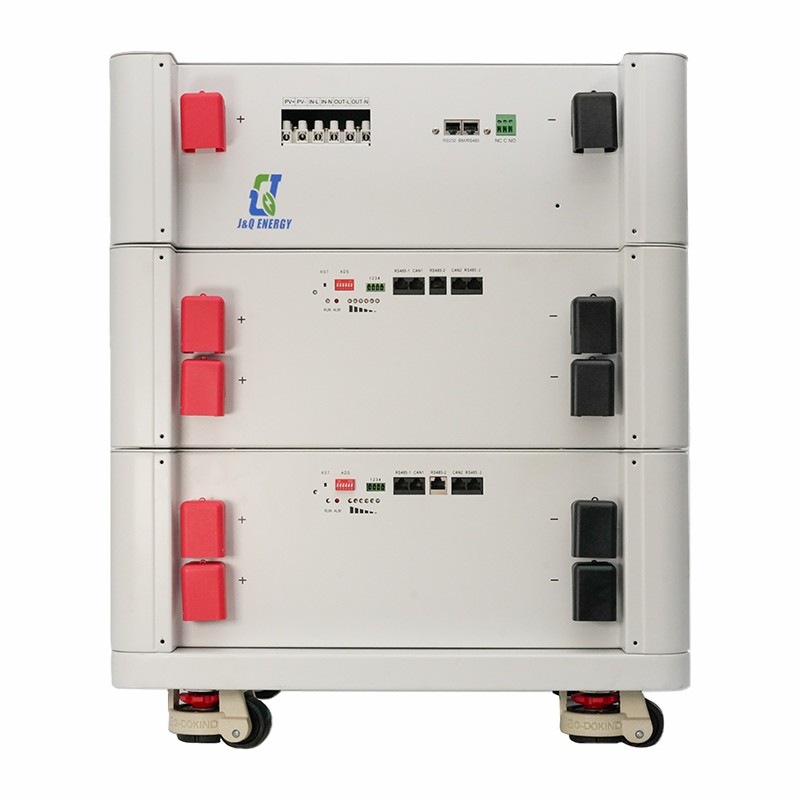
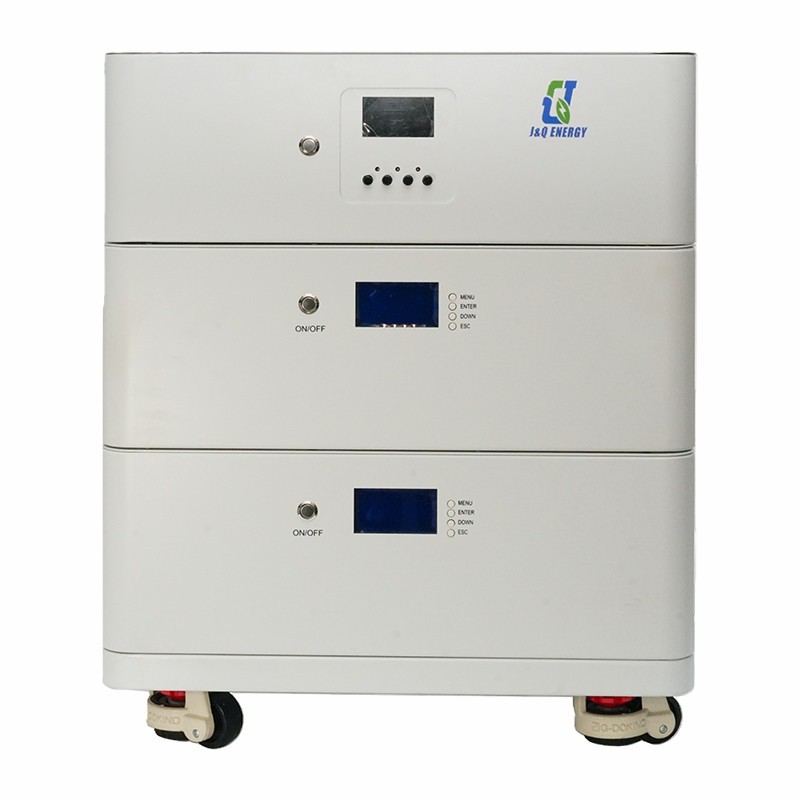
Once the solar panels generate DC electricity, it needs to be converted into alternating current (AC) electricity because that's what most of our home appliances use. This is where the inverter comes in. Inverters are pretty efficient these days, with most having an efficiency rating of 95% or higher. So, if you have 100 watts of DC electricity coming from the solar panels, the inverter will convert about 95 watts of it into AC electricity.
Now, let's move on to the energy storage part. The electricity that's been converted to AC needs to be stored in the battery. But before it can go into the battery, it usually needs to be converted back to DC. This conversion process also has some losses. The efficiency of this charge controller, which manages the flow of electricity into the battery, is typically around 90 - 95%.
When it comes to the battery itself, different types have different efficiencies. Lithium - ion batteries, which are very popular in residential energy storage, have a round - trip efficiency of around 85 - 95%. Round - trip efficiency means the percentage of energy that can be taken out of the battery compared to the amount that was put in. So, if you put 100 kilowatt - hours (kWh) of electricity into a lithium - ion battery with 90% round - trip efficiency, you can expect to get about 90 kWh back out when you need it.
Lead - acid batteries, on the other hand, are less efficient. They usually have a round - trip efficiency of around 70 - 80%. This means that more energy is lost during the charging and discharging process compared to lithium - ion batteries.
So, when you put all these steps together, what's the overall energy conversion efficiency of a residential energy storage system? Well, it depends on the specific components and how they work together. But a rough estimate for a typical system with good - quality components is around 70 - 85%. That means that if you start with 100 kWh of sunlight energy hitting the solar panels, you might end up with 70 - 85 kWh of usable electricity in your home when you need it.
Why does this matter? Well, higher efficiency means you get more bang for your buck. If you have a more efficient energy storage system, you can store and use more of the energy that your solar panels generate. This can lead to lower electricity bills and a greater reduction in your carbon footprint.
As a residential energy storage supplier, we're always looking for ways to improve efficiency. We work with the latest technologies and high - quality components to make sure our systems are as efficient as possible. For example, we offer Home Battery for Solar System that are designed to have high round - trip efficiencies. These batteries use advanced lithium - ion technology to minimize energy losses during charging and discharging.
We also have Residential Solar Plus Storage solutions that integrate solar panels, inverters, and batteries in a way that maximizes overall efficiency. By carefully selecting and matching the components, we can ensure that the energy conversion process is as smooth and efficient as possible.
Another great option we offer is Solar Batteries for The Home. These batteries are specifically designed for residential use and are optimized for high efficiency. They can store a large amount of energy and release it when you need it, all while minimizing energy losses.
If you're thinking about getting a residential energy storage system, it's important to consider the energy conversion efficiency. You want to make sure you're getting a system that will give you the most value for your investment. Look at the specifications of the solar panels, inverters, charge controllers, and batteries. Ask about the round - trip efficiency of the battery and the overall efficiency of the system.
We're here to help you make the right choice. Our team of experts can answer all your questions and guide you through the process of selecting the best residential energy storage system for your home. Whether you're looking to reduce your electricity bills, increase your energy independence, or do your part for the environment, we've got the solutions you need.
If you're interested in learning more or want to discuss a potential purchase, don't hesitate to reach out. We're always happy to have a chat and see how we can help you get started on your journey to a more efficient and sustainable home energy system.
References
- "Solar Energy Basics" by the U.S. Department of Energy
- "Battery Energy Storage Technology" by various industry reports
- "Residential Energy Management Systems" research papers